Swipe Smarter, Not Harder: How Timing, Algorithms, and Pure Serendipity Conspire to Find You a Match

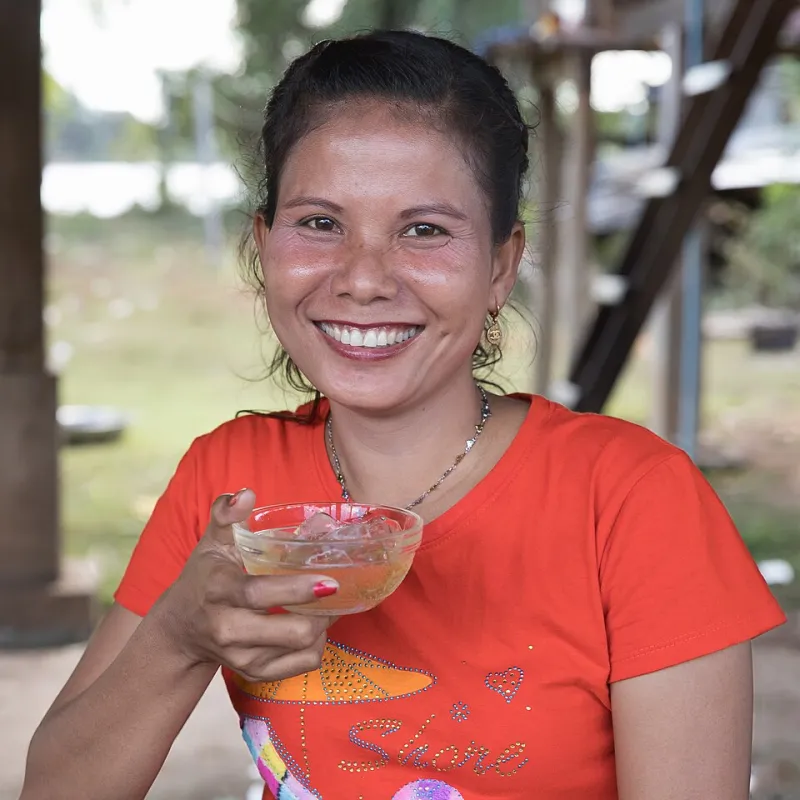
Photo: Wilfredor, CC0, via Wikimedia Commons
There's a moment every experienced app dater knows. You update one photo, tweak your bio, or just happen to open the app at an odd hour — and suddenly your likes triple. Your inbox wakes up. Conversations that were dead for weeks somehow restart. Was it the photo? The bio? Or did you just get lucky?
The honest answer is: probably all three. And understanding how those forces interact is the difference between someone who stumbles through modern dating and someone who genuinely stacks the odds in their favor.
The Algorithm Is Not Your Enemy — It's Just a Very Weird Matchmaker
Most major dating platforms — Tinder, Hinge, Bumble — operate on engagement-based ranking systems. Put simply, the more active you are, the more visible you become. When you first download an app or reset your account, you get a temporary visibility boost as the algorithm tries to figure out where you fit. This is your honeymoon window, and most people waste it with a half-finished profile.
Here's the kicker: the algorithm doesn't just measure your activity. It's also watching the people who swipe on you. If high-engagement users (people who log in often, send messages, go on dates) are matching with you, your internal ranking climbs. Think of it less like a lottery and more like a reputation system. You're being sorted constantly, whether you realize it or not.
So yes, there's luck involved — but it's luck that you can partially engineer.
Notification Timing: The Overlooked Cheat Code
Here's something most people never think about: when you're active on a dating app matters almost as much as how you present yourself.
Research on digital communication patterns consistently shows that people are most responsive on dating apps during a few specific windows:
- Sunday evenings (roughly 7–10 PM local time) — the classic "Sunday Scaries" window, when people are relaxed but slightly restless
- Wednesday lunch hours — midweek boredom is real and it drives engagement
- Friday evenings before 9 PM — right in that sweet spot before plans solidify
When you send a message or like a profile during these windows, you're more likely to catch someone in a receptive, unhurried mood. They're not rushing out the door. They're not stressed about Monday. They're scrolling because they want to connect.
Timing your activity to align with peak engagement isn't manipulation — it's just being in the right place at the right time. Which, if you think about it, is basically the definition of luck.
Photo Sequencing: Why Your First Image Is Actually a Psychological Bet
Your lead photo is doing more work than you think. Studies on visual attention in digital spaces show that people make an initial attraction judgment in under half a second — and that snap judgment colors everything that follows.
But here's where sequencing strategy comes in. Your second and third photos are where real connection starts to build. A lead photo should create curiosity and signal energy — a candid shot, a mid-laugh moment, you doing something you actually care about. The follow-up photos should answer the questions the first one raises: Who are you around? What does your life look like? Are you someone worth knowing?
Profiles that front-load all their best assets in photo one tend to peak early and fade. Profiles that tell a visual story across five to six images keep people engaged longer — and longer engagement means the algorithm takes notice.
Serendipity Isn't Accidental — It's a Mindset
Here's the philosophical part, and stick with us because it's actually practical.
Serendipity in dating — that feeling of "I can't believe we matched" — almost always has a structural explanation underneath it. You both happened to be active at the same time. Your profiles hit each other's feeds during a high-engagement window. One of your photos resonated with something specific in their life.
None of that is random. It's probabilistic. And probability can be nudged.
The daters who seem perpetually "lucky" aren't operating on cosmic favor. They've unconsciously (or deliberately) optimized the inputs: they're consistent without being obsessive, they update their profiles regularly to stay fresh in the feed, and they send first messages that are specific enough to feel personal but open enough to invite a real reply.
Conversation Starters That Catch People at Their Most Open
Once you've gotten the timing and visibility right, the opener matters more than most people admit. Generic openers — the ones that could be copy-pasted to anyone — get filtered out mentally even when they get a technical reply.
The most effective conversation starters in 2024 share a few traits:
- They reference something specific from the profile — not just "I love hiking too" but "that trail you mentioned in your bio — did you actually do it in one day?"
- They invite a story, not just a yes/no answer
- They're slightly unexpected — a genuine question that breaks the script makes the other person pause, and pausing is engagement
The goal isn't to be clever. It's to be real at the exact moment someone is most ready to receive it.
Luck in modern dating is real. But it bends toward the people who show up consistently, optimize intelligently, and stay genuinely open to connection. At SiapKaya88 Pink, we'd call that playing hot and playing smart — which, honestly, is the only way worth playing.